Walnuts (Akhrot) Benefits: The Brain Food You Should Eat Daily
There's an old saying that walnuts look like a tiny brain because they're good for one — and for once, folklore lines up with the science. Walnuts (akhrot) are the single richest nut source of plant-based omega-3 fatty acids, the fats most strongly linked to brain and heart health. Here's why they deserve a daily spot in your diet.
What makes walnuts special
- Omega-3 (ALA) — supports brain function, memory and heart health
- Antioxidants — walnuts rank among the highest of all common nuts
- Protein and fibre — keep you full and steady your energy
- Magnesium and copper — support bones, nerves and metabolism
How many walnuts per day?
Two to four walnut halves a day — roughly a small handful, about 28 grams — is the sweet spot for most adults. That's enough to get a meaningful omega-3 dose without piling on calories, since walnuts are energy-dense.
Raw, soaked, or roasted?
All three work. Soaking walnuts for a few hours softens them and, like almonds, can make them gentler on digestion. Light roasting brings out a deeper, nuttier flavour. Avoid heavily salted or caramelised walnuts — the added salt and sugar cancel out much of the benefit.
Easy ways to eat more akhrot
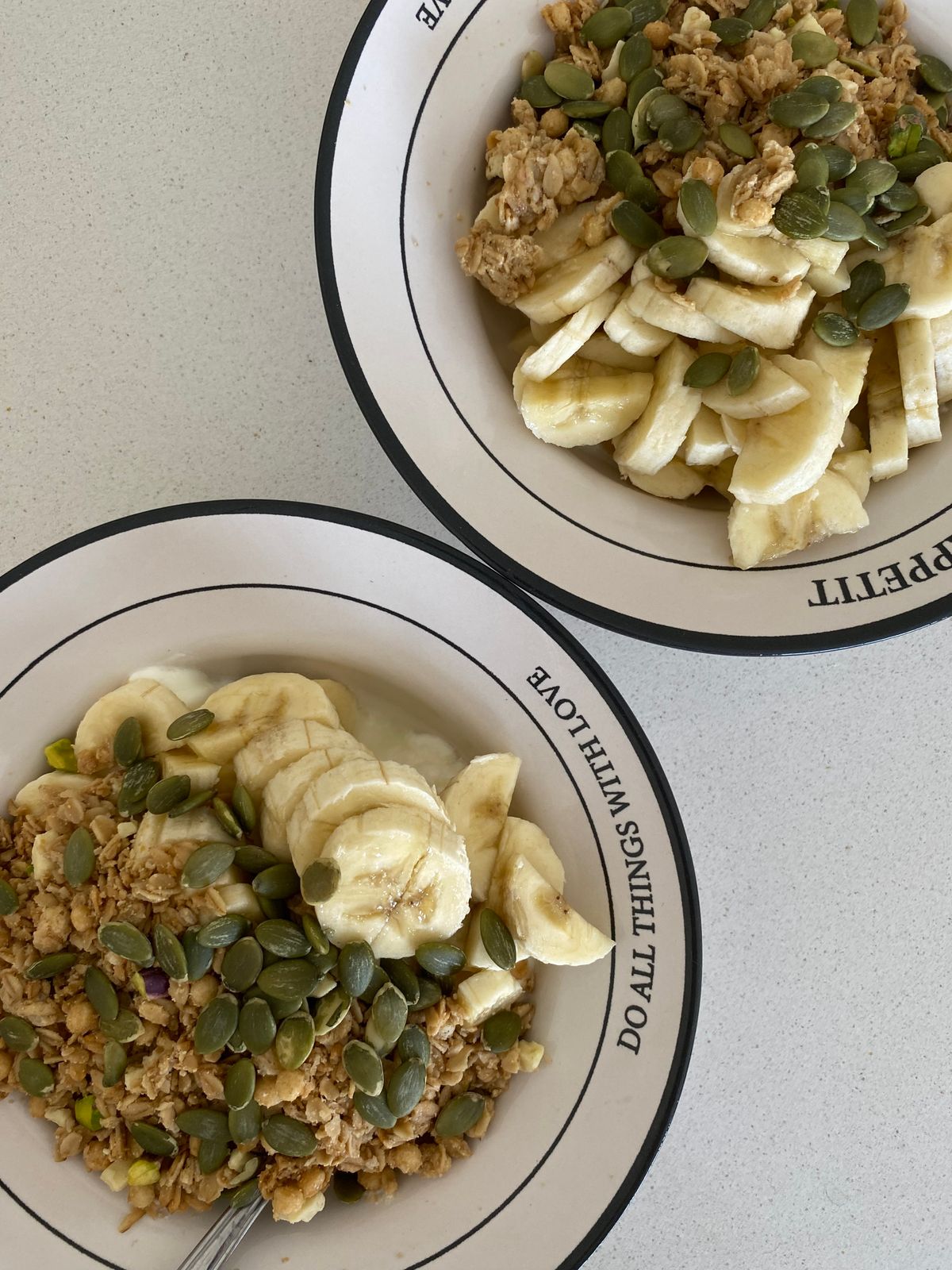
- Chopped over morning oats, yoghurt or fruit
- A small handful as a 4 pm snack instead of biscuits
- Crushed into salads for crunch
- Blended into smoothies and shakes
- Baked into ladoos and energy balls with dates
If you eat just one nut for your brain and heart, make it the walnut.
A note on freshness
Because they're so oil-rich, walnuts go rancid faster than most nuts — old walnuts taste bitter and sharp. Buy them fresh, in sensible quantities, and store them in an airtight container away from heat and light. Nutria supplies fresh, light-coloured walnut kernels in small batches so every handful tastes clean and sweet. Add akhrot to your next order.